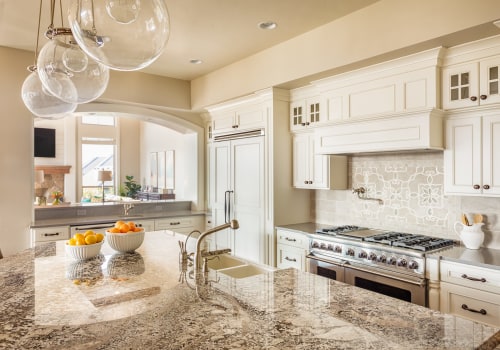
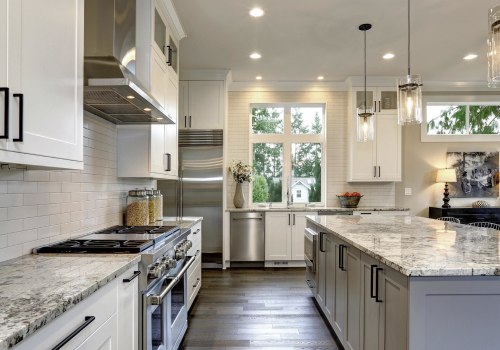
Granite countertops are often viewed as a simple kitchen enhancement, chosen primarily for their appearance, durability, and long-term value. However, many homeowners are surprised to discover that installing granite countertops frequently becomes part of a much larger renovation strategy. Rather than serving as an isolated upgrade, granite selections often influence decisions involving cabinetry, flooring, lighting, wall finishes, plumbing fixtures, and even the overall layout of a home. Because countertops occupy a highly visible position within kitchens and bathrooms, they naturally become a focal point that affects numerous design and construction choices throughout a renovation project.
Establishing a Design Foundation
One of the hidden connections between granite countertops and broader renovation planning lies in the design process itself. Homeowners often choose granite based on color variations, veining patterns, and natural textures. Once the countertop material is selected, many surrounding elements are chosen to complement it. Cabinet finishes, backsplash materials, flooring options, and paint colors are frequently coordinated around the stone’s appearance. This creates a cohesive visual flow throughout the space while helping contractors and designers maintain a consistent aesthetic direction. In many cases, the countertop becomes the foundation upon which the entire renovation design is built.
Influencing Budget Allocation
Granite countertops can also affect renovation budgets in ways that homeowners may not initially anticipate. Because natural stone is often considered a premium material, its inclusion may influence spending decisions in other areas of the project. Homeowners sometimes prioritize countertop quality while adjusting budgets for lighting, fixtures, or decorative finishes. Conversely, some may allocate additional funds toward complementary upgrades after realizing that new granite surfaces can significantly elevate the overall appearance of a room. Renovation professionals often help clients balance these decisions to ensure that the final project remains cohesive while staying within financial goals.
Coordinating Multiple Trades and Services
Installing granite countertops typically requires coordination among several construction and renovation professionals. Cabinet installers must ensure proper support and alignment before fabrication measurements are taken. Plumbers may need to disconnect and reconnect fixtures, while electricians may adjust outlet placements or under-cabinet lighting systems. Flooring contractors and painters often schedule their work around countertop installation timelines. This interconnected process demonstrates how a seemingly straightforward countertop project can become part of a larger renovation effort involving multiple trades. Companies such as Terry Brodnik Group Contracting and Home Services often recognize the importance of coordinating these elements to keep projects moving efficiently and avoid costly delays.
Supporting Functional Home Improvements
Beyond aesthetics, granite countertops frequently inspire homeowners to make practical improvements throughout the home. During installation, outdated sinks, faucets, storage systems, and appliances are often replaced to match the upgraded surfaces. Homeowners may choose to improve kitchen workflow, increase storage capacity, or enhance energy efficiency while renovation work is already underway. These complementary upgrades create opportunities to improve both the appearance and functionality of living spaces, resulting in a more comprehensive renovation outcome.
A Catalyst for Long-Term Renovation Goals
Ultimately, granite countertops often serve as a catalyst for broader home renovation planning. What begins as a desire for a more attractive countertop can lead homeowners to reassess their entire space and identify additional opportunities for improvement. From design coordination and budgeting considerations to contractor scheduling and functional upgrades, granite countertops influence far more than surface aesthetics. Their role within renovation projects highlights how individual improvements can shape larger decisions, helping homeowners create spaces that are not only beautiful but also thoughtfully planned for long-term enjoyment and value.