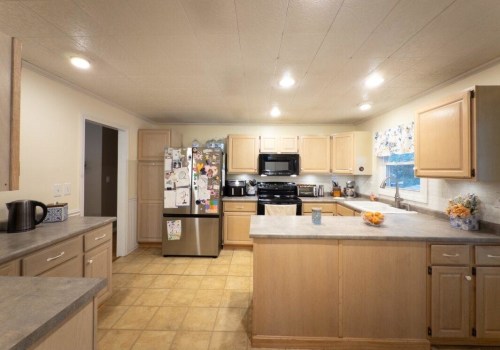
Granite countertops have long been a popular choice in kitchen design due to their durability, natural beauty, and ability to elevate the overall aesthetic of the space. Each slab of granite offers unique patterns and colors, making it a versatile option that complements a wide range of cabinet styles and design themes. Beyond their visual appeal, granite surfaces are known for their strength and resistance to heat, making them ideal for busy kitchens where functionality is just as important as appearance.
Understanding the Impact of Moisture in the Kitchen
While granite is a durable material, moisture control remains a critical factor in maintaining its longevity and performance. Kitchens are naturally exposed to water from sinks, appliances, and daily use, which can create challenges if not properly managed. Excess moisture can seep into seams, edges, and surrounding materials, potentially leading to damage over time. Without adequate control, even high-quality surfaces like granite can be affected by staining, discoloration, or structural issues in adjacent cabinetry and flooring.
The Role of Proper Sealing and Installation
One of the most important steps in protecting granite countertops is proper sealing. Granite is a porous material, and sealing helps create a protective barrier that prevents water and other liquids from penetrating the surface. Professional installation also ensures that seams are tightly fitted and that countertops are properly supported, reducing the risk of water infiltration. Regular resealing, depending on usage and manufacturer recommendations, helps maintain this protection and keeps the surface looking its best.
Integrating Moisture Control into Kitchen Design
Effective moisture control goes beyond the countertops themselves and involves the overall kitchen design. Features such as well-placed backsplashes, properly installed sinks, and efficient drainage systems all contribute to managing water exposure. Ventilation systems, including range hoods and exhaust fans, help reduce humidity levels, preventing moisture from accumulating in the air and settling on surfaces. By incorporating these elements into the design, homeowners can create a kitchen environment that supports both functionality and durability.
Preventing Damage and Long-Term Issues
Failing to manage moisture effectively can lead to costly repairs and long-term damage. Water that seeps into cabinetry or substructures can cause warping, mold growth, and deterioration. In severe cases, professional intervention may be required, including services from a water damage company in KC to address extensive issues. Taking preventive measures during the design and maintenance phases helps minimize these risks and ensures that the kitchen remains in excellent condition over time.
Conclusion
Granite countertops offer a combination of beauty and durability that makes them a standout feature in modern kitchens. However, their performance is closely tied to effective moisture control throughout the space. By focusing on proper sealing, thoughtful design, and regular maintenance, homeowners can protect their investment and enjoy a functional, visually appealing kitchen for years to come.