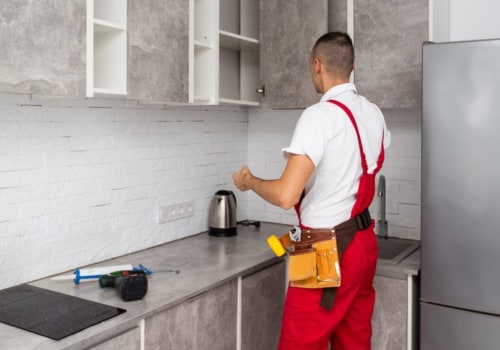
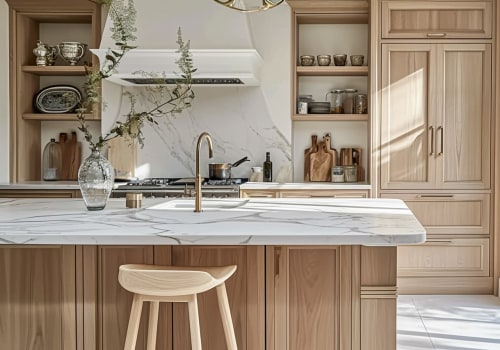
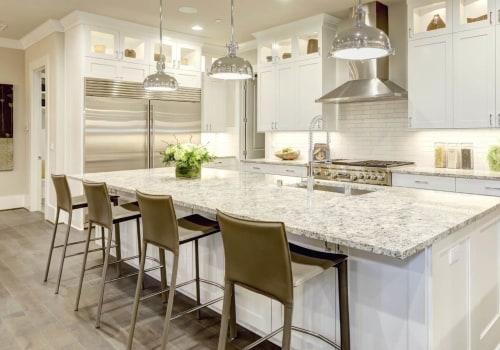
Granite countertops are often viewed as one of the most valuable and visually appealing upgrades homeowners can add during kitchen or bathroom remodeling projects. These surfaces are known for their durability, natural beauty, and ability to increase property value over time. However, one aspect that is rarely discussed during interior renovation planning is how important it is to evaluate roof and drainage conditions before investing heavily in high-end interior materials. While granite itself is highly durable, the surrounding cabinets, walls, subfloors, and support structures beneath the countertops can still suffer significant damage if hidden roof leaks or drainage problems are present elsewhere in the home. Moisture intrusion from roofing or drainage failures may eventually affect interior renovation investments in ways homeowners do not initially anticipate.
Many homeowners focus primarily on the visible design elements of remodeling projects without considering how exterior water management systems protect the structure supporting those upgrades. Roof leaks, poor attic ventilation, clogged gutters, or improper drainage can allow moisture to enter wall cavities, ceilings, and subfloor systems over time. Even small leaks may gradually spread through framing or insulation before becoming noticeable inside the living space. If these hidden moisture problems remain unresolved during a renovation project, expensive materials such as granite countertops may eventually sit within environments affected by mold growth, wood rot, or structural movement caused by prolonged water exposure.
How Roof and Drainage Problems Can Affect Interior Remodeling Investments
One overlooked issue is how foundation movement linked to poor drainage conditions can indirectly affect countertop installations. Granite is extremely strong, but it is also very heavy and relatively inflexible. If a home experiences structural shifting caused by water-saturated soil, foundation settling, or long-term drainage failures, countertops may crack or separate at seams as cabinets and supporting structures move unevenly beneath them. Roof drainage systems play an important role in directing water safely away from the home’s foundation. When gutters overflow or downspouts discharge too close to the structure, excessive moisture can weaken surrounding soil and contribute to gradual settlement issues that eventually affect interior surfaces.
Roof ventilation also influences the long-term condition of interior remodeling materials. Poor attic airflow can increase indoor humidity levels, allowing moisture to accumulate inside walls, ceilings, and cabinetry. Kitchens and bathrooms already generate large amounts of humidity through cooking, cleaning, and regular water use, making proper moisture management especially important in these spaces. If roof ventilation problems allow excessive condensation to develop within the home, cabinetry surrounding granite countertops may warp or deteriorate over time despite the countertops themselves remaining structurally intact. Roofing professionals often evaluate attic ventilation and drainage performance because moisture problems frequently originate above the living space before affecting interior finishes and structural materials below. A company such as A-1 Roofing Services may inspect roofing systems and drainage pathways to help homeowners reduce the risk of hidden moisture damage before major remodeling investments are completed.
Long-Term Home Protection Requires a Complete Approach
Another reason homeowners should evaluate roofing and drainage conditions during countertop renovations is to avoid future repair disruptions. If roofing leaks or drainage failures are discovered after granite countertops are installed, repairs may become far more complicated and expensive. Water-damaged ceilings, walls, insulation, or framing near newly remodeled kitchens or bathrooms may require demolition work that affects cabinetry, backsplash installations, or countertop support systems. Addressing roof and drainage concerns beforehand helps create a more stable and protected environment for long-term remodeling success.
Preventive roofing and drainage maintenance also supports better indoor air quality. Hidden moisture intrusion linked to roof leaks can contribute to mold growth behind walls or beneath cabinets, creating potential health concerns within frequently used living spaces. By controlling water intrusion and humidity levels early, homeowners can help preserve both the appearance and structural integrity of their interior upgrades.
Granite countertops are designed to provide lasting beauty and durability, but they perform best within homes that are properly protected from moisture-related structural problems. Roofing systems, drainage pathways, attic ventilation, and foundation stability all play important roles in supporting long-term interior remodeling investments. Evaluating these systems before installing premium materials can help homeowners avoid hidden damage, reduce future repair costs, and protect the long-term value of both the renovation and the home itself.