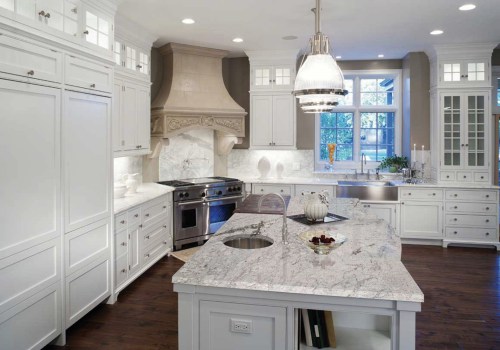
Granite countertops remain one of the most sought-after features in residential kitchens and bathrooms because of their natural beauty, durability, and long lifespan. However, their substantial weight is often underestimated during remodeling and construction projects. Unlike lighter countertop materials, granite slabs place significant loads on cabinets, support walls, islands, and surrounding structural components. While the stone itself is exceptionally strong under compression, it can crack if it is not evenly supported or if the underlying structure shifts over time. This is why structural engineers place great importance on ensuring that heavy granite countertops are installed on properly designed support systems. Careful planning before installation helps prevent structural movement, protects the investment in premium materials, and contributes to the long-term safety and stability of the entire kitchen or bathroom.
Why Proper Structural Support Matters
Every granite countertop installation depends on more than simply placing the slab on top of cabinets. The cabinetry beneath must be level, securely anchored, and capable of carrying the combined weight of the stone along with everyday loads from appliances, cookware, and household use. Overhangs for kitchen islands, breakfast bars, and seating areas require additional reinforcement because unsupported stone can become vulnerable to cracking or failure. Structural engineers evaluate how weight is transferred through cabinets and into the floor system, ensuring that loads are distributed safely rather than concentrated in isolated areas. During renovation projects, older homes may have uneven floors, aging framing, or settlement issues that require correction before granite is installed. Companies such as Open Concept Engineering recognize that integrating structural planning into countertop installations helps contractors avoid preventable problems while preserving both the appearance and performance of the finished space. This collaborative approach allows homeowners to enjoy premium materials with confidence that the supporting structure is equally dependable.
Preventing Long-Term Structural Problems
Insufficient support beneath heavy granite countertops can lead to a variety of issues that extend beyond the stone itself. Cabinets may gradually shift, joints can separate, doors may become misaligned, and flooring beneath heavily loaded areas may experience increased stress if structural conditions are not properly evaluated. Even small amounts of movement can create uneven pressure across the countertop, increasing the risk of chips or cracks over time. Moisture exposure around sinks and plumbing fixtures can further weaken cabinet materials, reducing their ability to support the weight of the stone. Proper reinforcement, high-quality cabinetry, secure fasteners, and stable flooring all contribute to maintaining the integrity of the installation. Structural engineers appreciate projects where these factors are addressed during the planning stage because proactive solutions are generally more effective and far less expensive than correcting structural deficiencies after installation has been completed.
Collaborative Planning Creates Lasting Results
Successful countertop installations reflect the combined expertise of designers, cabinet manufacturers, contractors, fabricators, plumbers, electricians, and structural professionals working toward a common goal. Careful coordination ensures that cabinetry dimensions, appliance clearances, plumbing connections, electrical outlets, and structural reinforcement all align before the heavy stone is delivered. This planning reduces construction delays, minimizes field modifications, and helps protect the countertop from unnecessary handling or stress during installation. It also prepares the home for years of daily use by ensuring that the supporting framework remains stable under changing conditions and repeated loading. When structural considerations are incorporated from the beginning, homeowners benefit from countertops that remain level, secure, and visually appealing throughout their lifespan. The appreciation structural engineers have for proper support systems reflects a broader understanding that lasting quality depends not only on premium materials but also on the strength of the structure beneath them, resulting in kitchens and bathrooms that combine elegance, safety, and long-term durability.