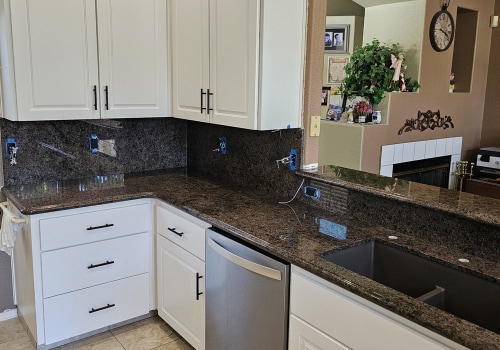
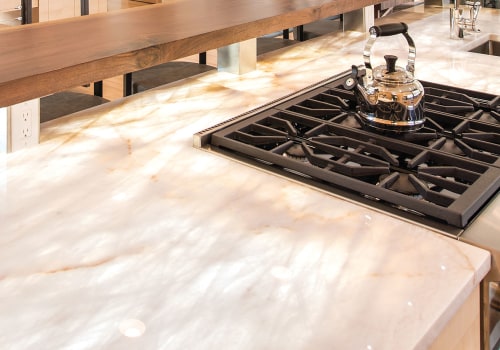
Granite and quartz countertops may look similar at a glance, but their material composition creates important differences in how they should be cleaned and maintained. Granite is a natural stone, cut directly from the earth, which means it is porous to varying degrees depending on the slab. This porosity allows liquids, oils, and bacteria to penetrate the surface if it is not properly sealed. Quartz, on the other hand, is an engineered material made from crushed natural quartz combined with resins and pigments, creating a non-porous surface that resists staining and moisture absorption. These structural differences play a major role in how each surface responds to cleaning products, daily spills, and long-term maintenance routines.
Daily Cleaning and Spill Management
For everyday cleaning, both granite and quartz benefit from gentle, non-abrasive methods, but granite demands a bit more caution. A soft cloth with warm water and mild dish soap is usually enough for daily maintenance on either surface. However, acidic substances such as lemon juice, vinegar, wine, or tomato sauce can etch granite if spills are not wiped up quickly, dulling the finish over time. Quartz is far more forgiving with spills because its non-porous surface prevents liquids from soaking in, giving homeowners more time to clean without immediate damage. Abrasive scrub pads should be avoided on both materials, as they can wear down the polish on granite and dull the resin finish on quartz.
Deep Cleaning and Stain Prevention
When it comes to deeper cleaning, granite requires extra protection to maintain its appearance and performance. Because it is porous, granite should be professionally sealed on a regular schedule, typically once a year, to prevent staining and moisture infiltration. Without proper sealing, oil-based stains can become permanent and discolor the stone from within. Quartz does not require sealing at all, making it significantly lower maintenance in this category. However, quartz is not completely stain-proof, as prolonged exposure to harsh chemicals, dyes, or extreme heat can still cause surface discoloration. Deep cleaning for both surfaces should involve pH-neutral cleaners specifically designed for stone or engineered countertops to avoid chemical damage.
Long-Term Maintenance and Durability
Over time, maintenance demands become a key deciding factor between granite and quartz. Granite’s beauty lies in its natural variation and depth, but it comes with a responsibility to protect that surface through sealing, moisture control, and careful use of cleaning agents. Quartz offers greater consistency in appearance and requires far less protective maintenance, making it appealing for busy households and commercial spaces. Heat resistance is another difference that affects long-term care: granite can generally tolerate higher temperatures from hot pots, while quartz is more sensitive to heat due to its resin content and often requires the use of trivets or heat pads to prevent surface damage.
Professional Care and Best Cleaning Practices
While routine maintenance can be handled at home, professional cleaning plays a valuable role in protecting both granite and quartz over time. Professional services understand how to remove deep-set grime, grease buildup, and bacteria without compromising the surface finish. They also know when granite needs resealing and how to restore dull or worn areas safely. Companies like Freedom Cleaning Orlando apply surface-specific cleaning techniques that protect the integrity of each material while enhancing its natural appearance. This level of care helps prevent premature wear, discoloration, and surface breakdown that can occur from improper DIY methods.
Choosing the Right Surface for Your Lifestyle
Ultimately, the choice between granite and quartz often comes down to how much maintenance a homeowner is willing to commit to over time. Granite offers unmatched natural beauty and heat resistance but requires consistent sealing and cautious cleaning to preserve its finish. Quartz provides a modern, uniform look with minimal maintenance and superior stain resistance but demands protection from excessive heat and harsh chemicals. Both surfaces can deliver long-lasting beauty and functionality when cleaned correctly and maintained with intention. Understanding these differences allows homeowners and property managers to make informed decisions that align with their lifestyle, cleaning habits, and expectations for long-term performance.