Granite countertops are valued for their durability, natural appearance, and ability to withstand everyday kitchen use, but they are still rigid materials that can be vulnerable to structural movement. If a home’s foundation settles unevenly, shifts, or experiences other changes, the cabinets and walls supporting granite countertops may move slightly out of alignment. Because granite does not flex easily, this movement can create stress that leads to cracking, separation at seams, or gaps between the countertop and surrounding surfaces. Understanding the relationship between foundation stability and countertop performance can help homeowners protect their investment.
Watch for Early Warning Signs
Small changes around the kitchen can provide clues that structural movement may be occurring. Homeowners may notice cabinet doors that no longer close evenly, countertops pulling away from walls, backsplash grout cracking, or flooring becoming uneven. Cracks that appear near sinks, cooktops, or countertop seams deserve particular attention because these areas may already have reduced structural support. If multiple signs appear throughout the home, professionals such as Bats Foundation Repair can evaluate whether foundation movement may be contributing to the problem before cosmetic repairs are attempted.
Make Sure Cabinets Provide Proper Support
Granite countertops rely heavily on the cabinetry beneath them for support. If cabinets become uneven because of floor settlement or wall movement, sections of the countertop may experience concentrated pressure. Cabinet installers can check whether the base remains level and whether all portions of the granite are adequately supported. Shimming may correct very minor alignment differences, but significant changes should not simply be covered up if the floor or foundation continues to move.
Pay Attention to Countertop Seams
Seams are often among the first areas to show signs of movement because separate granite sections meet at these points. Structural changes may cause seams to widen, shift vertically, or develop small cracks nearby. Repeatedly filling a separating seam may provide only a temporary cosmetic improvement. If the underlying cabinets or structure are still moving, the problem can return. Determining why the seam has changed can help homeowners decide whether countertop repair, cabinet adjustment, or structural evaluation should come first.
Avoid Installing New Granite Before Structural Repairs
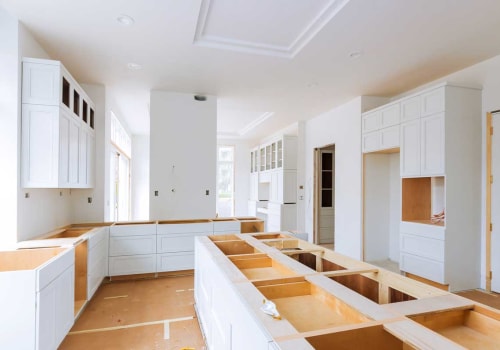
Homeowners planning a kitchen renovation should consider foundation stability before ordering custom granite. Countertops are usually fabricated according to precise measurements, and significant structural repairs can slightly change wall, floor, or cabinet alignment. If foundation stabilization is needed, completing that work before final countertop measurements may reduce installation complications. Contractors can then level cabinetry and take measurements based on the home’s stabilized condition.
Manage Moisture Around the Foundation
Soil moisture can influence foundation movement, particularly in areas with expansive soils. Poor drainage, leaking plumbing, or water collecting near the house can create changing soil conditions beneath the structure. Maintaining gutters, directing downspouts away from the foundation, and addressing plumbing leaks promptly can help reduce moisture-related stress. These measures may indirectly help protect interior finishes, including granite countertops.
Repair Cracks Only After Finding the Cause
Granite cracks can sometimes result from impact, inadequate support, installation problems, or thermal stress rather than foundation movement. Before making repairs, homeowners should identify the likely cause. A stone professional can assess the countertop, while structural professionals can evaluate signs of settlement if necessary.
Protect the Countertop Through Proper Sequencing
Granite countertops can last for many years when installed on stable, properly supported surfaces. If structural movement is suspected, addressing the foundation before repairing or replacing countertops can reduce the risk of repeated damage. By monitoring seams, maintaining level cabinetry, managing moisture, and coordinating structural and countertop repairs in the correct order, homeowners can better protect their granite surfaces and preserve the appearance and functionality of their kitchen.