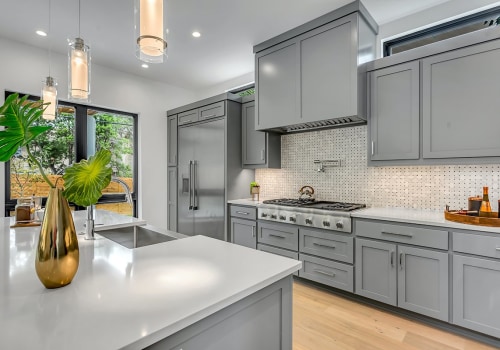
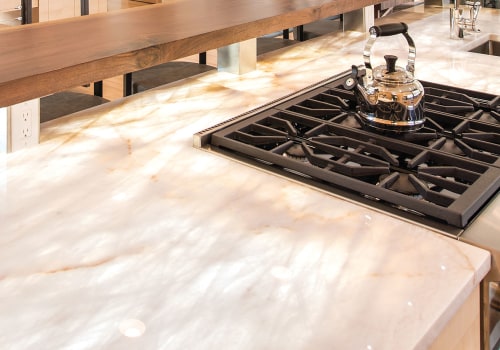
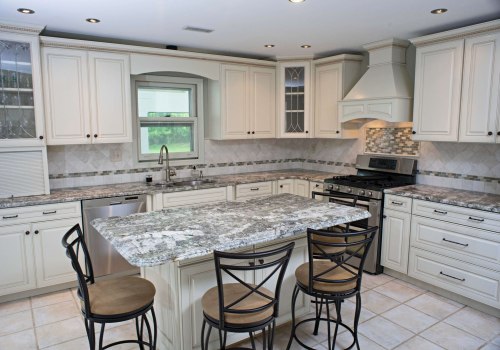
Upgrading countertops is one of the most impactful ways to enhance the look and functionality of a kitchen or bathroom, but the success of the project depends heavily on proper utility planning. Countertops are closely connected to plumbing and electrical systems, as they often house sinks, faucets, garbage disposals, and built-in appliances. Without careful coordination, even the most visually appealing upgrade can face functional issues such as poor drainage, misaligned fixtures, or inadequate electrical access. Planning utilities in advance ensures that the new countertops integrate seamlessly with the home’s existing infrastructure.
Coordinating Plumbing for Seamless Installation
Plumbing is a key consideration during countertop upgrades, especially when installing sinks or relocating fixtures. Water supply lines and drainage pipes must be positioned accurately to align with cutouts in the countertop material. Any misalignment can lead to leaks, inefficient water flow, or the need for costly adjustments after installation. Working with experienced professionals, such as those from Baker Brothers, helps ensure that plumbing systems are properly configured before the countertop is installed. This coordination allows for a smoother installation process and reduces the risk of complications.
Addressing Electrical Requirements and Appliance Integration
Electrical planning is equally important when upgrading countertops, particularly in kitchens where appliances and outlets are essential. Countertops often include built-in features such as cooktops, under-cabinet lighting, and charging stations, all of which require proper electrical connections. Ensuring that outlets are conveniently placed and that circuits can handle the load of new appliances is crucial for both safety and functionality. Proper planning allows homeowners to incorporate modern conveniences without compromising the design or performance of the space.
Preventing Damage and Future Repairs
Proper utility planning helps prevent damage that can occur when systems are not aligned with the new countertop design. For example, poorly placed plumbing can cause water to accumulate or leak, damaging both the countertop and surrounding cabinetry. Similarly, inadequate electrical planning can lead to overloaded circuits or inaccessible outlets. By addressing these issues during the planning phase, homeowners can avoid costly repairs and ensure that their investment remains protected over time.
Enhancing Efficiency and Daily Use
Well-planned utilities contribute to the overall efficiency and usability of the space. Properly aligned plumbing ensures smooth water flow and effective drainage, while strategically placed electrical outlets make it easier to use appliances and devices. This level of coordination enhances the daily experience, making tasks such as cooking, cleaning, and food preparation more convenient and enjoyable. A functional design not only improves efficiency but also adds to the overall value of the home.
Supporting Long-Term Maintenance and Accessibility
Utility planning also plays a role in simplifying maintenance and future upgrades. Accessible plumbing and electrical components make it easier to perform repairs or modifications without disrupting the entire setup. Thoughtful design ensures that key systems can be reached when needed, reducing the time and cost associated with maintenance. This foresight helps homeowners maintain their upgraded countertops in optimal condition for years to come.
Creating a Balanced and Functional Upgrade
Ultimately, the role of proper utility planning in countertop upgrades is to create a balance between aesthetics and functionality. By coordinating plumbing and electrical systems with the design, homeowners can achieve a seamless and efficient result that enhances both the appearance and performance of their space.