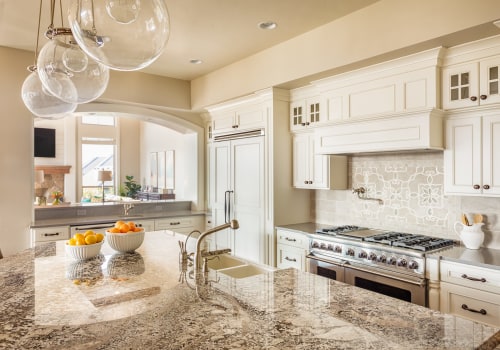
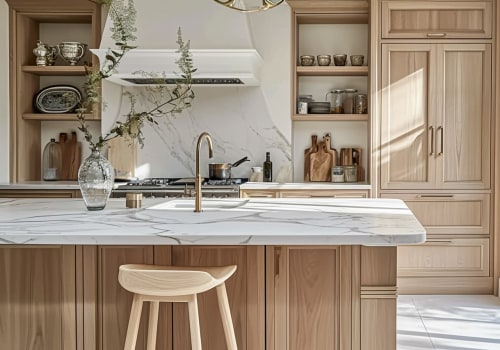
When planning a kitchen or bathroom renovation, much of the attention naturally goes toward selecting the perfect stone surface. Homeowners often compare colors, veining patterns, edge profiles, and finishes while imagining how the completed space will look. However, one of the most critical factors in the long-term success of the installation is rarely discussed: the strength and stability of the cabinets supporting the stone. Natural materials such as granite, marble, quartzite, and engineered quartz can weigh hundreds of pounds, placing continuous pressure on the cabinetry beneath them. While high-quality stone is known for its durability, its performance depends greatly on having a properly constructed and adequately supported foundation. Overlooking cabinet strength during the planning process may lead to uneven surfaces, shifting, stress on joints, or even cracks in the stone over time. Ensuring that the supporting structure is prepared for the weight above is just as important as selecting the surface itself.
Strong Foundations Protect Long-Term Performance
Cabinets do much more than provide storage. They act as the structural framework that distributes the weight of the stone evenly across the floor and throughout the installation. Well-built cabinets feature sturdy frames, reinforced corners, level mounting surfaces, and secure connections to adjacent units and walls. These details help prevent movement that could transfer unnecessary stress to the stone. Even a slight variation in cabinet height or alignment can create pressure points beneath the slab, increasing the risk of damage after installation. Professional installers carefully inspect the cabinetry before placing the stone to verify that everything is level and capable of supporting the anticipated load. In some remodeling projects, additional bracing or reinforcement may be recommended, particularly for older cabinetry that was not originally designed to support heavy stone surfaces. Investing time in these preparations helps avoid costly repairs while extending the lifespan of the finished installation.
Proper Installation Requires Careful Planning
Support requirements become even more important when kitchen designs include large islands, breakfast bars, overhangs, or waterfall edges. These design features often require additional structural considerations because portions of the stone extend beyond the cabinet framework. Hidden steel supports, brackets, or specially engineered reinforcement systems may be necessary to prevent excessive flexing while maintaining the clean, modern appearance many homeowners desire. During the planning stage, fabricators, installers, and cabinet professionals work together to evaluate load distribution, slab dimensions, and mounting methods before fabrication begins. This collaborative approach minimizes surprises during installation and helps ensure every component functions together as intended. Homeowners researching countertops may initially focus on material selection, but understanding the importance of cabinet support allows them to make more informed decisions that benefit both appearance and long-term reliability.
Attention to Structural Details Creates Lasting Results
The durability of a stone surface depends not only on the quality of the material but also on the stability of everything beneath it. Routine inspections after installation can help identify minor issues before they become larger concerns. For example, settling floors, loose cabinet fasteners, or moisture damage affecting cabinet integrity may gradually influence the support system over time. Addressing these problems promptly protects both the cabinetry and the stone above. Homeowners should also avoid placing excessive concentrated weight on unsupported overhangs or making structural modifications to cabinets without consulting qualified professionals. When renovations involve replacing cabinets beneath an existing stone surface, careful planning is essential to preserve the integrity of the slab during removal and reinstallation. Although cabinet support often remains hidden from view once construction is complete, it serves as the unseen foundation that allows heavy stone surfaces to perform reliably for decades. By recognizing the importance of structural preparation alongside aesthetic design, homeowners can enjoy beautiful, functional spaces that remain safe, stable, and visually impressive through years of everyday use.